
Why Game of Thrones: A Telltale Games Series Still Matters in 2026
By Playlogs
Related game: Game of Thrones: A Telltale Games Series
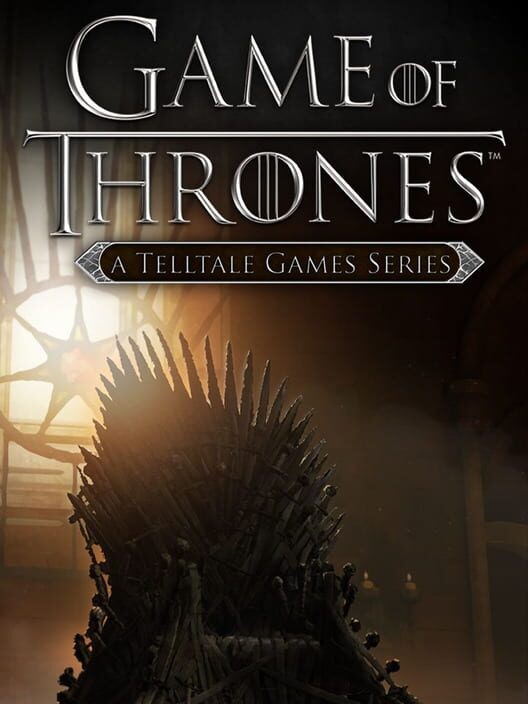
Despite its 2014 release, Game of Thrones: A Telltale Games Series remains significant in the gaming landscape. Here's why it still resonates today.
The Enduring Legacy of Telltale's Game of Thrones
Released in December 2014, Game of Thrones: A Telltale Games Series immerses players in the tumultuous political landscape of Westeros. Based on both the HBO series and George R.R. Martin's A Song of Ice and Fire, it uniquely blends the narrative depth of the franchise with the interactive storytelling capabilities of video games.
While the game concluded its six-episode run in November 2015 with The Ice Dragon, its influence lingers in the gaming community. As of September 2026, however, there are no new developments regarding a second season, which was initially announced but later shelved amid Telltale’s studio turmoil.
The Genre Gap and Narrative Depth
In 2026, the gaming landscape has shifted, with many companies focusing on expansive open-world RPGs and live-service titles. Yet, Telltale's model of episodic storytelling remains largely unfilled. Players who crave narrative-driven experiences in environments like Westeros find themselves yearning for more interactively rich stories that can rival the emotional depth of the original series.
This gap in the market speaks to the importance of Game of Thrones: A Telltale Games Series. It showcases the potential for narrative exploration in genres that have become increasingly dominated by action and multiplayer elements.
A Studio’s Resilience
Telltale Games has had a rocky journey. The studio faced significant layoffs in 2018, which culminated in the cancellation of numerous projects, including the much-anticipated second season of Game of Thrones. Despite its revival in 2019, there has been no word on whether the beloved series will see a continuation. This history of struggle emphasizes the fragility of game development and the challenges studios face in bringing ambitious narratives to life.
Why Fans Still Care
The original game managed to capture the spirit of the source material while allowing players to shape their journey through the choices they made. This feature not only engaged fans of the franchise but also introduced new players to the emotional complexities of the world Martin created.
As players reminisce about their time in Westeros, many express a desire for Telltale to return with new adventures. The series holds a special place in the hearts of those who navigated the political intrigue of House Forrester, making its absence felt in conversations about narrative games.
The Impact of Cancelled Projects
The planned second season's cancellation reflects a broader trend in the industry where many promising projects fall victim to the challenges of development and funding. In the current climate, many studios are hesitant to invest in narrative-heavy titles unless they have widespread commercial appeal. This reluctance leaves a gap for fans of storytelling-centric games who are looking for experiences that challenge the status quo of mainstream gaming.
Conclusion
As of now, Game of Thrones: A Telltale Games Series remains a significant part of gaming history. With its powerful storytelling and character-driven narratives, it set a precedent that has yet to be fully embraced in today's gaming industry. The ongoing discussions about its potential revival and the broader implications for Telltale signal that the desire for narrative depth in gaming is still alive—leaving fans hopeful for what the future may hold.
For those interested in revisiting this classic, you can find trailers such as the launch trailer and the announcement trailer.