
After the Long Silence
After the Long Silence
Claudia Tatinge Nascimento
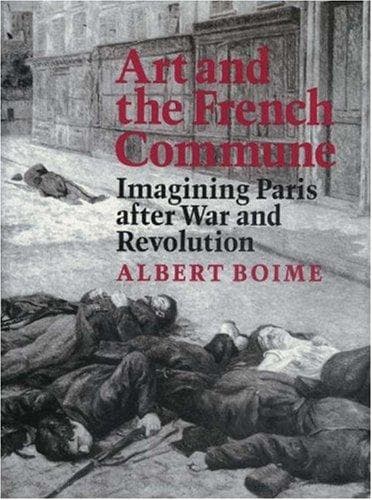
Imagining Paris after War and Revolution
Albert Boime · Jan 1, 2022 · eng
Catalog 0.0/10
Playlogs —
In this bold exploration of the political forces that shaped Impressionism, Albert Boime proposes that at the heart of the modern is a "guilty secret" - the need of the dominant, mainly bourgeois, classes in Paris to expunge from historical memory the haunting nightmare of the Commune and its socialist ideology. The Commune of 1871 emerged after the Prussian war when the Paris militia chased the central government to Versailles, enabling the working class and its allies to seize control of the capital. Eventually violence engulfed the city as traditional liberals and moderates joined forces with reactionaries to restore Paris to "order" - the bourgeois order. Here Boime examines the rise of Impressionism in relation to the efforts of the reinstated conservative government to "rebuild" Paris, to return it to its Haussmannian appearance and erase all reminders of socialist threat. . Boime contends that an organized impressionist movement owed its initiating impulse to its complicity with the state's program. The exuberant street scenes, spaces of leisure and entertainment, sunlit parks and gardens, the entire concourse of movement as filtered through an atmosphere of scintillating light and color constitute an effort to reclaim Paris visually and symbolically for the bourgeoisie.
Loading…
Claudia Tatinge Nascimento
Kerry Greaves
Mary M. Lane
Doris Salcedo, Dan Cameron, Charles Merewether
James Beattie, Richard Bullen, Maria Galikowski
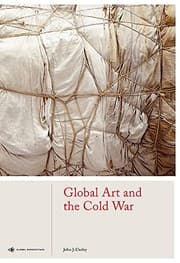
John J. Curley
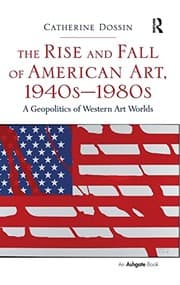
Catherine Dossin
Carolyn Mazloomi
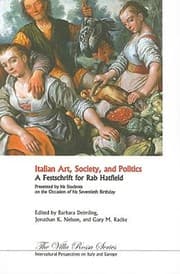
Jonathan K. Nelson
Sal Randolph
Mark Andrew Holowchak
Julia A. Sienkewicz