
Wordsworth, commodification and social concern
Simpson, David
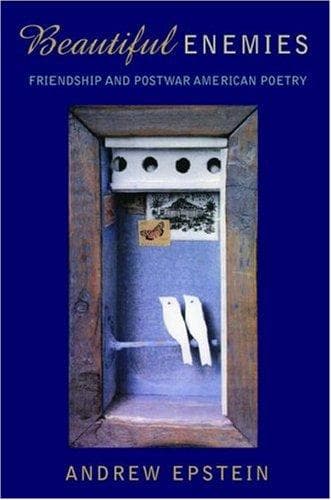
Friendship and Postwar American Poetry
Andrew Epstein · Jan 1, 2009 · 376 pages · eng
Catalog 0.0/10
Playlogs —
Although it has long been commonplace to imagine the archetypal American poet singing a solitary "Song of Myself," much of the most enduring American poetry has actually been preoccupied with the drama of friendship. In this lucid and absorbing study, Andrew Epstein argues that an obsession with both the pleasures and problems of friendship erupts in the "New American Poetry" that emerges after the Second World War. By focusing on some of the most significant postmodernist American poets--the "New York School" poets John Ashbery, Frank O'Hara, and their close contemporary Amiri Baraka--Beautiful Enemies reveals a fundamental paradox at the heart of postwar American poetry and culture: the avant-garde's commitment to individualism and nonconformity runs directly counter to its own valorization of community and collaboration. In fact, Epstein demonstrates that the clash between friendship and nonconformity complicates the legendary alliances forged by postwar poets, becomes a predominant theme in the poetry they created, and leaves contemporary writers with a complicated legacy to negotiate. Rather than simply celebrating friendship and poetic community as nurturing and inspiring, these poets represent friendship as a kind of exhilarating, maddening contradiction, a site of attraction and repulsion, affinity and rivalry.
Loading…
Simpson, David
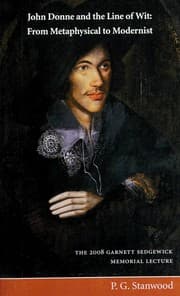
Paul G. Stanwood
Tessa Ransford
Ntozake Shange
Linda M. Shires
Kathryn Hansen, David Lelyveld
Luoqing Hu
Jane Hedley, Nick Halpern, Willard Spiegelman
Ian Andrew Dieffenthaller
Carrie Noland, Barrett Watten
Ivor Indyk
Āftāb Aḥmad