
Making Medicare
Making Medicare
Anne-Marie Boxall
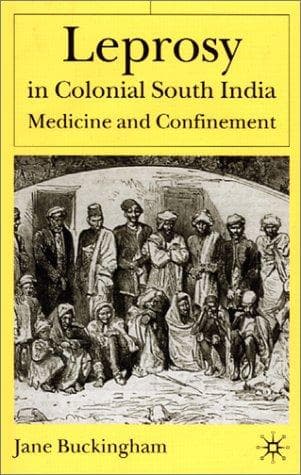
Medicine and Confinement
Jane Buckingham · 250 pages · eng
Catalog 0.0/10
Playlogs —
"Leprosy in Colonial South India argues that the British raj was limited in its power and asserts the neglected role of the suffering in the constitution of colonial power. Although leprosy is often assumed to attract universal stigma and opprobrium, in Hindu culture only the vagrant poor with leprosy were stigmatized and subject to outcasting and disinheritance. For the British, leprosy was primarily a disease of the Indian male poor, visible in the ulcerated bodies of vagrants and beggars. The public body of the leprosy sufferer became the subject of legislation for forced confinement while middle-class and female leprosy sufferers, hidden at home, were largely protected from the imperial gaze. Reflecting the fragmented nature of colonial authority, penal, hospitalization was a source of conflict and compromise at all levels of colonial medical and legal authority and of resistance by the leprosy sufferers. British medical treatment similarly was contingent on the leprosy sufferer's co-operation. Confronted with leprosy, law was as weak a 'tool of empire' as medicine. Even the poorest and weakest of the empire had the power to resist."--BOOK JACKET.
Loading…
Anne-Marie Boxall
Rothman, David J., David J. Rothman, Sheila M. Rothman
Henry A. Foley
Ruth Clifford Engs
Matthew Allen
J. Adam Tooze
Jane Lewis
Stacy Horn

Jonathan Ablard
Stephen Coss
James G. Hanley

David L. Robb