

Der Arbeitsbegriff bei John Locke
Jörg Thomas Peters
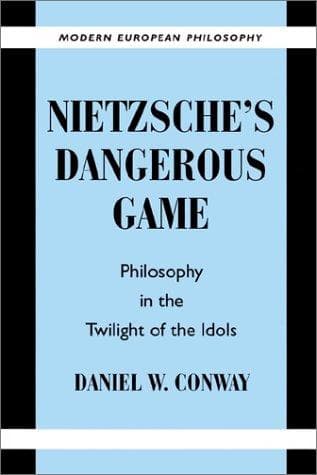
Philosophy in the Twilight of the Idols (Modern European Philosophy)
Daniel W. Conway · Jan 1, 1997 · 281 pages · eng
Catalog 0.0/10
Playlogs —
This is the first book-length treatment of the unique nature and development of Nietzsche's post-Zarathustran political philosophy. This later political philosophy is set in the context of the critique of modernity that Nietzsche advances in the years 1885-1888, in texts such as Beyond Good and Evil, On the Genealogy of Morals, Twilight of the Idols, The Antichristian, The Case of Wagner, and Ecce Homo. In this light Nietzsche's own diagnosis of the ills of modernity is subject to the same criticism that he himself leveled against previous philosophies: that it is an involuntary symptom of the age represents. Nietzsche is seen to be aware of his own decadence and of his complicity with the very tendencies that he dissects and deplores. By relating the political philosophy, the critique of modernity, and the theory of decadence, Daniel Conway has written a powerful book about Nietzsche's own appreciation of the limitations of both his writing style and his famous prophetic "stance."
Loading…
Jörg Thomas Peters
Mario Gómez-Zimmerman
Eric Voegelin
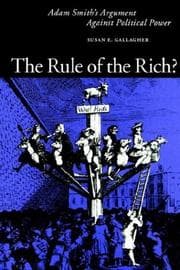
Susan E. Gallagher
Plato
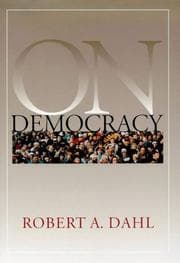
Robert Alan Dahl
Giornata Luigi Firpo (2nd 1995)
Edward Hyde, 1st Earl of Clarendon
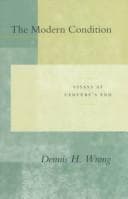
Dennis Hume Wrong

J. A. Fernández-Santamaría
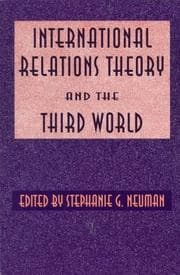
Stephanie G. Neuman
Michel Rosenfeld