
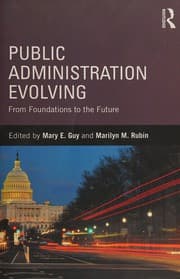
Public Administration Evolving
Mary E. Guy, Marilyn M. Rubin
Anna Plassart · Jan 1, 2015 · 266 pages · eng
Catalog 0.0/10
Playlogs —
"Historians of ideas have traditionally discussed the significance of the French Revolution through the prism of several major interpretations, including the commentaries of Burke, Tocqueville and Marx. This book argues that the Scottish Enlightenment offered an alternative and equally powerful interpretative framework for the Revolution, which focused on the transformation of the polite, civilised moeurs that had defined the 'modernity' analysed by Hume and Smith in the eighteenth century. The Scots observed what they understood as a military- and democracy-led transformation of European modern morals and concluded that the real historical significance of the Revolution lay in the transformation of warfare, national feelings and relations between states, war and commerce that characterised the post-revolutionary international order. This book recovers the Scottish philosophers' powerful discussion of the nature of post-revolutionary modernity and shows that it is essential to our understanding of nineteenth-century political thought"--Page [i].
Loading…
Mary E. Guy, Marilyn M. Rubin
Peter DeGabriele
Ulrich J. Blomann
Oliver Bennett
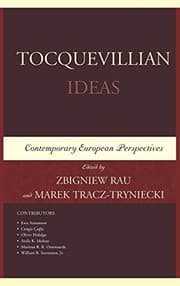
Zbigniew Rau, Marek Tracz-Tryniecki
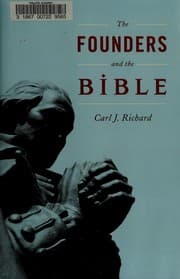
Carl J. Richard
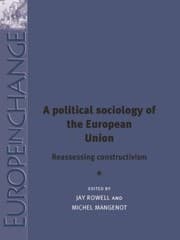
Jay Rowell
Gary K. Browning
Jörg Rüpke
Susanna Lindberg
Nancy L. Rosenblum
Thomas S. Harrington