

Longstreet's Assault-Pickett's Charge
Donald J. Frey
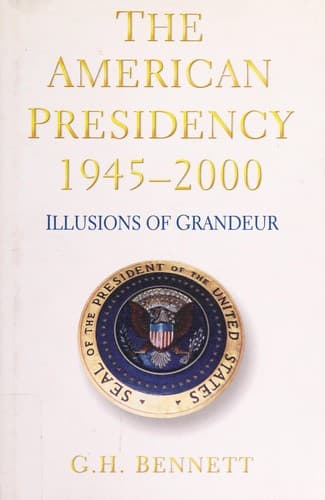
illusions of grandeur
G. H. Bennett · Jan 1, 2000 · 274 pages · eng
Catalog 0.0/10
Playlogs —
"Unique in its concentration on the post-war presidency, this history goes to the heart of the presidential role to discover how and why the power and popularity of the presidential office have fluctuated so remarkably in the last fifty years." "It takes as its starting point the immediate post war administration of Harry S. Truman. There was born the idea of the 'national security state' which, in the frightening atmosphere of the Cold War, was to give the president so much power and earn him so much respect. It goes on to chart the rise and fall of the office as it is dealt blows by the failure of the Vietnam War and the Watergate scandal. The end of the Cold War in the late 1980s called into question the basis of the national security presidency and left the president head of the world's only superpower. With the threat of Communism pushed firmly into the background the spotlight turned increasingly and uncomfortably to domestic policy and the character and home life of the president himself. Dr Bennett concludes that, above all else, presidential popularity has been secured by skillful use of illusion - making the American public believe that their country was in safe hands when the reality was often somewhat different. Presidents less skilled in the art, such as Bush and Clinton, have revealed far too much of themselves."--Jacket.
Loading…
Donald J. Frey
Eric J. Evans
Jellicoe, George Patrick John Rushworth Earl, Ged Martin, Richard M. Langworth
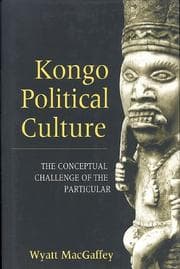
Wyatt MacGaffey
Victoria Getis
Patrick Baker
George Cipăianu

Hugh O'Shaughnessy

Handy, Jim, Jim Handy
Elizabeth R. Varon

Ray Hemmings

Saul Kelly