
Time's memory
Julius Lester
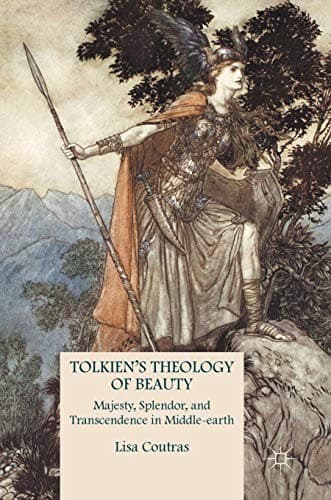
Majesty, Splendor, and Transcendence in Middle-earth
Lisa Coutras · 279 pages · eng
Catalog 0.0/10
Playlogs —
In this book, Lisa Coutras explores the structure and complexity of J.R.R. Tolkien’s narrative theology, synthesizing his Christian worldview with his creative imagination. She illustrates how, within the framework of a theological aesthetics, transcendental beauty is the unifying principle that integrates all aspects of Tolkien’s writing, from pagan despair to Christian joy. J.R.R. Tolkien’s Christianity is often held in an unsteady tension with the pagan despair of his mythic world. Some critics portray these as incompatible, while Christian analysis tends to oversimplify the presence of religious symbolism. This polarity of opinion testifies to the need for a unifying interpretive lens. The fact that Tolkien saw his own writing as “religious” and “Catholic,” yet was preoccupied with pagan mythology, nature, language, and evil, suggests that these areas were wholly integrated with his Christian worldview. Tolkien’s Theology of Beauty examines six structural elements, demonstrating that the author’s Christianity is deeply embedded in the narrative framework of his creative imagination.--Publisher website.
Loading…
Julius Lester
Carolyn Oulton, Carolyn W. de la L'Oulton
Ahmed S. Bangura
George MacDonald
Richard A. Rosengarten
Holly Wallace

Eric Irivuzumugabe
Leslie McFarlane, Scott Burroughs

Granville H. Jones
Frederick Carter
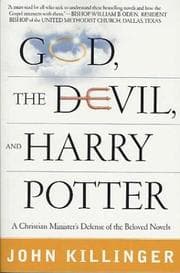
John Killinger
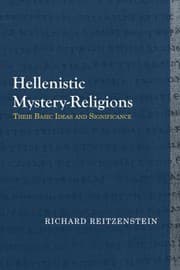
Richard Reitzenstein